
How to Maintain Perfect Tire Pressure When Driving Through Different Terrains?
Tire pressure is key on mixed-surface trips. It affects how well your tires grip and steer. It also impacts how long they last on various terrains like sand, mud, and pavement.

Matching PSI to the surface is the main trick. Lowering pressure helps your tires grip better off-road. But, raising it back up is essential for smooth driving on highways.
In the U.S., you might switch from forest roads to highways in a day. This is when you need to adjust your tire pressure quickly. Keeping your tires at the right pressure can make your trip safer and more enjoyable.
This guide will teach you about all-terrain tire care. You'll learn why pressure is important, how to adjust it for different surfaces, and the tools you need. Plus, you'll pick up habits to keep your tire pressure consistent, no matter where you are.
Why Tire Pressure Matters for Traction, Control, and Tire Life on Different Terrains
Good tire pressure is key, not just for comfort. It affects your control, important when you face different terrains. Adjusting pressure for off-road driving helps keep your grip and tread wear in check.

How PSI changes your tire footprint and contact patch
PSI controls how much tire meets the ground. Lower pressure means a bigger footprint, better for gripping rocks and uneven surfaces. This can improve traction and reduce wheelspin.
Higher pressure makes the tire firmer. This improves steering on smooth roads but can make it harder on rough ones. So, adjusting pressure is vital for different terrains.
What over-inflation does on loose surfaces like sand and mud
Too much air makes tires stiff. They slide on sand or mud instead of gripping. This leads to less traction and more sliding, increasing the risk of sharp impacts.
For off-road tires, the right pressure lets them work best. A small drop in PSI helps the tread stay engaged on loose surfaces. This can feel like a suspension upgrade.
What under-inflation risks at speed, including heat buildup and stability loss
Low pressure at high speeds causes heavy sidewall flex. This builds heat quickly, weakening the tire and speeding up wear. It also makes the vehicle unstable in turns.
Staying aired down after a trail can cause the tire to squirm at speed. Aim for balance to keep the tire cool and predictable.
Why frequent checks matter when your route shifts from trail to pavement
Pressure changes with temperature, load, and time. Regular checks help match conditions and prevent performance drops. Use a quality gauge for accurate readings.
Check pressure before the trail, during long sections, and for pavement. This routine ensures consistent handling and prevents uneven wear. It keeps your decisions based on real numbers, not just feel.
| Terrain change | What you feel in the seat | Likely pressure issue | What to do next |
|---|---|---|---|
| Pavement to washboard gravel | Harsh chatter, skittering over ripples | Pressure a bit high for the surface | Lower slightly to enlarge the tire footprint and calm bounce |
| Hard-packed dirt to sand | Digging in, slow acceleration, steering push | Over-inflation reducing off-road traction | Air down in small steps and confirm with a gauge |
| Mud to rocky two-track | Sudden jolts, tire feels like it “pings” off edges | Pressure too high to conform to rocks | Adjust down carefully and watch for sidewall contact |
| Trail back to highway speeds | Soft steering, sway, extra heat smell after stops | Under-inflation at speed causing heat buildup | Air up to road pressure, then re-check after a few miles |
Terrain-Based PSI Targets: Driving on Sand vs Highway, Mud, Rocks, Gravel, and Hard-Packed Dirt
Terrain changes fast, and so should your tire strategy. The big challenge in driving on sand vs highway is that one surface needs a wide footprint, while the other needs stability and cooler running at speed.
Start with varying terrain psi, then adjust for vehicle weight, tire construction, and how loaded you are. Small changes can sharpen steering feel, braking, and off-road traction without beating up the tire.

Sand driving PSI guidance (about 10–15 PSI) for flotation and off-road traction
Soft sand rewards a larger contact patch. Many drivers land in the sand PSI 10–15 range to help the tire float and stay on top instead of digging down.
Keep turns smooth, avoid sudden throttle, and watch for bead issues if you go too low for your wheel setup. If the sand firms up, a small bump in pressure can keep the tire from feeling squirmy.
Mud runs PSI guidance (about 15–20 PSI) to help tires spread load and stay on top
Mud is slick, rutted, and uneven, so a little flex helps the tread conform. The mud PSI 15–20 window is common because it spreads the load and improves control while keeping enough sidewall support.
If you’re carrying tools, recovery gear, or towing, add pressure in small steps. Too little pressure can make the tire fold in deep ruts and feel vague on off-camber lines.
Rock crawling PSI guidance (about 10–12 PSI or 12–18 PSI) for flex and grip with sidewall-awareness
Rocks demand slow speed and precise placement. The rock crawling PSI 10–12 / 12–18 range reflects the tradeoff: lower pressure increases grip and tire wrap, but it also raises the risk of sidewall cuts and pinches.
Sharp edges, heavy rigs, and thin sidewalls usually call for the higher end of that range. For optimal performance, match pressure to your pace and line choice, not just the obstacle size.
Gravel and dirt roads PSI guidance (about 20–25 PSI) for smoother ride and added grip
On washboard and hard-packed routes, moderate airing down can calm vibration and keep the tire planted. Many drivers use gravel dirt PSI 20–25 to gain comfort and grip while preserving steering response.
If the road gets faster or rockier, creeping back up can protect the tire and reduce heat. That balance matters when you transition from loose roads back to pavement.
| Surface and typical use | Common PSI target | What you gain | What to watch |
|---|---|---|---|
| Soft sand, dunes, beach approaches | sand PSI 10–15 | Better flotation and off-road traction with a wider footprint | Bead retention, slower steering response, sharp objects hidden under sand |
| Mud, slick clay, rutted trails | mud PSI 15–20 | Tread conforms to ruts, steadier control, less wheel spin | Sidewall fold in deep ruts, wheel slip on off-camber lines, added load from gear |
| Rock ledges, boulder fields, technical climbs | rock crawling PSI 10–12 / 12–18 | More flex and grip, smoother climbing over edges | Sidewall cuts, pinch damage, rim strikes, need for careful line choice |
| Gravel roads, hard-packed dirt, washboard | gravel dirt PSI 20–25 | Smoother ride, improved bite, less skipping on corrugations | Heat at higher speeds, sharp gravel impacts, stability as pace increases |
| Pavement transitions and highway stretches | Set to door-jamb spec for your vehicle and load | Stability, braking control, cooler running for optimal performance | Don’t stay aired-down after trails; recheck when temperatures change |
Tools and Techniques for Off-Road Tire Pressure Adjustment and Precision Engineering
Adjusting off-road tire pressure is about following steps, not guessing. When the terrain changes quickly, precision engineering keeps your setup consistent. This helps avoid uneven wear and ensures traction matches your psi needs.
Using a reliable tire pressure gauge for accurate varying terrain PSI
A good tire pressure gauge is key for consistent results. Check PSI before airing down, after a few miles, and before hitting the road. This routine supports efficient performance and ensures tires behave the same.
Digital gauges offer small increments, while analog ones are reliable in dust and cold. Oasis King air pressure gauges are a great choice for quick, precise readings.
Preset tire deflators for fast, consistent airing down without overshooting
Preset tire deflators make the first minutes on the trail easier. Set the target PSI, thread them on, and they stop at the chosen pressure. This prevents overshooting and going too low, which can affect handling and sidewall wear.
Portable air solution essentials for airing back up before pavement driving
After driving on sand, rocks, or mud, airing up is essential. A portable air solution lets you return to highway PSI for better steering and heat control. It also protects tread life on hot asphalt.
Choose a high-performance air pump that can fill all four tires without fading. Look for steady fill speed, clear shutoff, and durable fittings for efficient performance at the trail exit.
| Tool | Best use on the trail | What it helps prevent | Quick buying focus |
|---|---|---|---|
| tire pressure gauge | Confirm exact PSI before and after terrain changes | Uneven handling from mismatched pressures | Easy-to-read scale; consistent readings in heat and dust |
| preset tire deflators | Fast airing down to a repeatable target | Dropping below the intended PSI and losing stability | Accurate stop point; smooth valve action; durable threads |
| portable air solution | Airing back up for pavement transitions | Heat buildup and rapid wear at low PSI on-road | Duty cycle that finishes four tires; reliable hose and chuck |
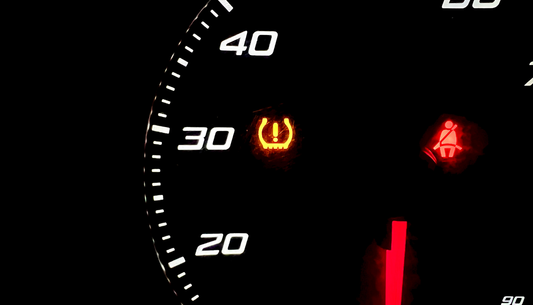
| TPMS | Live pressure tracking during drive-offs and transitions | Missing a slow leak while you focus on the route | Clear per-tire display; quick refresh rate; stable sensors |
Real-time monitoring with TPMS to track fluctuating PSI needs during transitions
Manual checks are important, but a TPMS adds real-time awareness. Seeing each tire update on the fly helps spot leaks or pressure drops. This makes transitions smoother when psi needs change.
Used with a tire pressure gauge, TPMS helps you act faster and with more confidence. This blend of feedback and control is where precision engineering shows up in everyday driving decisions.
Reliable companion for road trips, Intelligent All-in-one air compressor
Terrain can change quickly, from sandy trails to long stretches of road. Having a Reliable companion for road trips is essential. An Intelligent All-in-one air compressor makes managing tire pressure easier and more precise.
Why an all-in-one air compressor supports on-the-go needs and reduces manual inflation struggles
After airing down off-road, you need a safe way to air back up. An all-in-one air compressor simplifies this process. It saves time and effort, making it easier to inflate tires on the go.
Drivers often face issues with bulky, messy, or incomplete equipment. A compact, yet powerful air compressor fits easily in your trunk. It's ready when you need it, helping you stay on track.
Fast inflation and precise and consistent performance for safer transitions back to highway PSI
Returning to highway PSI is a safety priority. Fast inflation and precise performance make this process smoother. Intelligent pressure control also prevents overfilling, ensuring your vehicle handles well.
| What you need during a PSI change | How an Intelligent All-in-one air compressor helps | What it reduces |
|---|---|---|
| Accurate target PSI for pavement | Intelligent pressure control supports repeatable fills | Pressure drift from rushed topping-off |
| Quick air-up after trails | Fast inflation shortens the time spent stopped | Delays that push drivers to stay underinflated |
| Stable results across all four tires | Precise and consistent performance supports even handling | Uneven feel and extra tire stress |
Cordless design for outdoors: avoiding inconvenient equipment on remote adventure routes
Remote adventures often face long distances to services. A cordless design makes air-ups practical without outlets or shops nearby. It also avoids the hassle of long cords and crowded power points.
When packing for varied terrains and weather, space is key. Look for a compact, yet powerful air compressor that's easy to store and use. It should make tire pressure management effortless.
Play Fun approach: lab-inspired precision, engineered for accuracy with a clean minimalist form
Play Fun focuses on creating smarter tools for drivers. Their products are designed for ease of use and packing. This approach ensures that travel remains enjoyable, even with unexpected changes.
Play Fun offers a range of air compressors for different needs. From routine air-ups to emergency situations, their products are designed for simplicity. This focus on control helps keep tire pressure management straightforward.
Driving Habits That Keep Tire Pressure Stable Across Terrain Changes
Develop a simple routine for terrain changes. Lower tire pressure before leaving paved roads, then increase it when returning to faster speeds. This practice is key for all-terrain tire care and ensures the right pressure for driving conditions.
Make it a habit to check tire pressure at every stop, not just when it's too late. Use a good gauge before heading off-road, during long drives, and after returning. Regular checks help maintain optimal performance, prevent uneven wear, and adapt to changing conditions quickly.
Stay away from extreme pressure levels. Too much pressure can reduce traction on loose surfaces and increase the risk of tire damage. On the other hand, too little pressure can cause the tires to flex and heat up, affecting performance and control.
Adjust tire pressure based on the surface and speed. Lower pressure is often better for off-road comfort and grip, while firmer surfaces and higher speeds require higher pressure for better handling. A portable inflator is handy for keeping pressure stable during transitions.
FAQ
Why is tire pressure one of the most critical variables for off-road and mixed-surface driving?
Tire pressure affects how well your tires grip the ground. It also impacts steering, braking, and how long your tires last. The right pressure helps your tires work best on different surfaces, avoiding slipping or overheating.
How does lowering PSI change the tire footprint and contact patch?
Lowering PSI makes the tire's contact patch bigger. This helps the tire fit uneven ground better. It improves traction and control on rough surfaces like sand, mud, and rocks.
What happens if tires are over-inflated on loose terrain like sand or mud?
Over-inflated tires are stiff and can't bend over rough ground. This reduces grip and increases the risk of sliding. They're also more likely to get punctures or damage when hitting sharp objects.
What are the risks of under-inflation at higher speeds?
Under-inflation makes tires flex too much, which can build up heat. This weakens the tire over time. It also makes the tire less stable and harder to control on paved roads.
Why do frequent pressure checks matter when a route shifts from trail to pavement?
Conditions can change quickly on U.S. road trips. Checking tire pressure before, during, and after off-road parts helps adjust to new terrain needs. This avoids performance loss, uneven wear, or damage during changes.
What PSI is commonly used for sand driving?
Many drivers aim for 10–15 PSI in sand. About 12–15 PSI is often used for better flotation. Lower pressure helps spread the vehicle's weight, making it easier to move on sand.
What PSI range works well for mud?
A common range for mud is 15–20 PSI. Lower pressure helps tires spread load and control on slippery surfaces. This prevents tires from getting stuck.
What PSI range is typical for rock crawling, and what’s the tradeoff?
Rock setups often use 10–12 PSI for maximum grip. Some drivers use 12–18 PSI based on vehicle weight and tire type. Lower pressure improves traction but raises the risk of sidewall damage.
What PSI is a practical target for gravel and dirt roads?
Drivers often use 20–25 PSI for gravel and dirt roads. This improves grip and ride comfort. On faster surfaces, some setups go higher (mid-to-high 20s) for stability and reduced wear.
Are these PSI targets universal for every vehicle?
No. Vehicle weight, tire size, and construction all affect safe pressure. Start with conservative targets, adjust in small steps, and stay within safe limits for tire integrity.
What tools help with accurate off-road tire pressure adjustment?
A reliable tire pressure gauge is key. Many prefer digital gauges for better accuracy. Oasis King air pressure gauges are a popular choice for dependable readings.
Why is a portable air solution essential for airing back up before highway driving?
After airing down for off-road, you need to return to proper highway PSI. A portable air compressor makes inflation realistic when far from service stations.
How does TPMS help manage fluctuating PSI needs during transitions?
TPMS provides real-time updates for each tire. This makes it easier to spot pressure changes. It supports faster decisions when performance starts to fade.
Why choose an all-in-one air compressor instead of manual inflation methods?
Manual inflation is slow and tiring, even for multiple tires. An all-in-one air compressor is a reliable companion for road trips. It reduces inconvenient equipment and supports quick adjustments.
What should drivers look for in a high-performance air pump for off-road use?
Look for intelligent pressure control, consistent output, and outdoor design. A compact, lightweight design makes handling frequent transitions easier without long setup times.
How does fast inflation support safer transitions back to highway PSI?
Fast inflation shortens the time spent parked. It helps reach stable pavement pressure before higher speeds. This is important because under-inflation at speed increases flex and heat.
Why does cordless design matter for remote adventure routes?
Cordless design is key for remote routes without power access. It makes pressure changes possible wherever you stop. It also reduces reliance on bulky cords.
What is Play Fun’s approach to portable air solutions?
Play Fun believes everyday tools should be smarter and more empowering. They rethink portable air solutions with modern engineering and a clean minimalist form. They focus on lab-inspired precision for accurate performance.
Which Play Fun products are designed for on-the-go tire inflation and pressure control?
Play Fun offers the qs003 all-in-one air compressor, the pl01 universal air pump, and the n1 all-in-one emergency air compressor. They're designed for travel days with changing PSI needs.
What driving habits help keep tire pressure stable across changing surfaces?
Air down before entering the trail, then air back up on pavement. Drive smoothly to protect the tire footprint. Make routine checks part of every transition to keep PSI aligned with surface firmness and speed.
How often should tire pressure be checked during a mixed-terrain day?
Check before leaving pavement, during off-road segments, and after returning to the road. A gauge improves accuracy, and TPMS adds real-time visibility for proactive adjustments.